



![[모미지 모나카] 모나카 피 - Kurly USA](http://www.kurlyglobal.com/cdn/shop/files/1502095948214l0.jpg?v=1752676155&width=1946)
| origin | See product description/detailed information |
|---|---|
| Weight/Capacity | 20 pieces (10 pairs) |
| Sales unit | 1 can |
| Allergy Information | - Contains milk and soy |
Couldn't load pickup availability
![[모미지 모나카] 모나카 피 - Kurly USA](http://www.kurlyglobal.com/cdn/shop/files/1502095948214l0.jpg?v=1752676155&width=180)
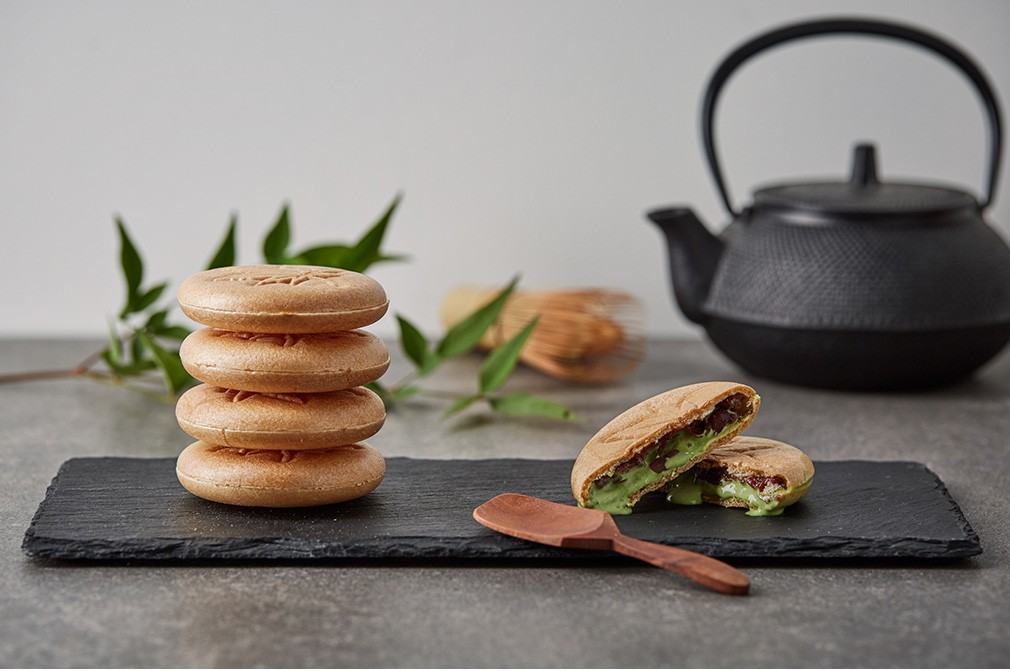
Traditional Japanese snacks to enjoy at home [Momiji Monaca] Monaca Blood
Monaka is a thinly baked confectionery shell made from glutinous rice. It is a traditional Japanese snack made with red bean paste. Although it is often thought of as a dessert for the elderly, properly made monaka is often found in famous bakeries and high-end Japanese restaurants. Enjoy it at home. Monaca blood, produced in the traditional way in Kanazawa, which is famous for its tradition and history, is delicious even with sesame filling, rice cake, and ice cream. Vacuum-packed for convenient storage and good for gifting.
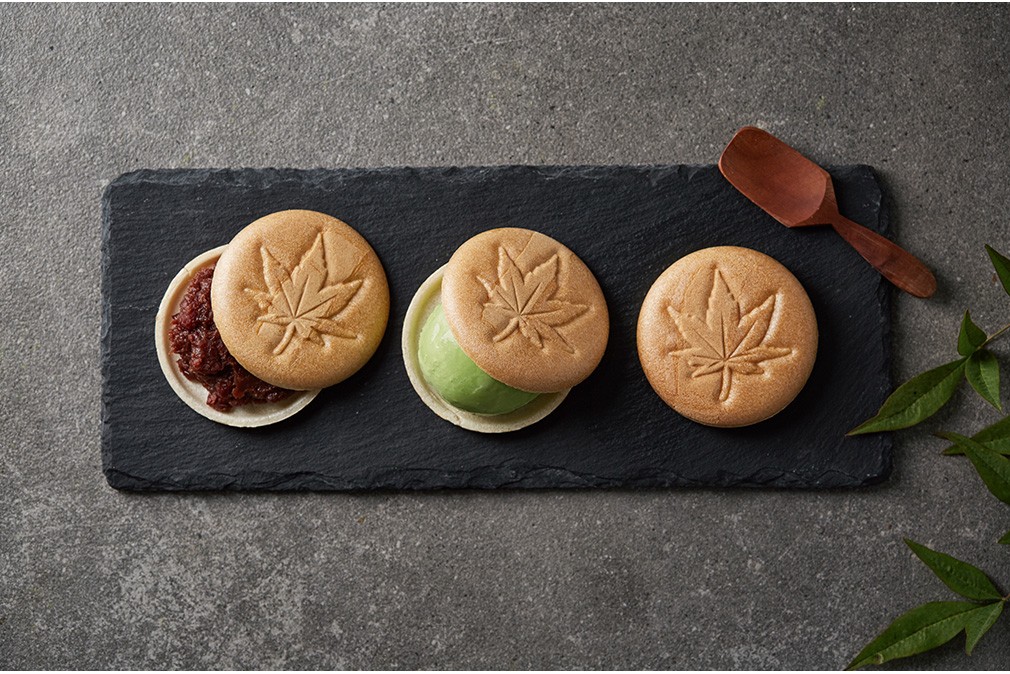
A light moon on a plate The origins of monaka date back to the Heian period. It is said that the white round glutinous rice cake placed on the plate at the banquet was called monaka no tsuki (moon in the middle), and from then on, the latter part was omitted and monaka, a snack that we are familiar with, is characterized by its thin and crisp skin so that you can enjoy it at home.
Monaca prepared in an authentic way. The blood is made from Hokuriku rice, which is famous for its rice production and retains its old flavor and history. It is thin and crispy, but melts in the mouth and has a subtle sweetness and taste that goes well with red beans and other ingredients. Enjoy Monaca to your taste 'Momiji (maple leaf)' is neatly engraved Monaca Pea seems to capture the neat atmosphere of a Japanese garden. You can easily create a wonderful dessert by adding red bean, rice cake, or green tea ice cream to your liking. It is vacuum-packed in a can and does not lose its crispy texture even if stored for a long time.
Kurly’s Note

Traditional Japanese snacks to enjoy at home [Momiji Monaca] Monaca Blood
Monaka is made by putting red bean paste between the thinly baked cookie shells made by kneading glutinous rice. It is a traditional Japanese snack. It is often thought of as a dessert for the elderly, but when made properly, Monaca can be found in famous bakeries and high-end Japanese restaurants. Now, enjoy it at home. Monaca Pie, produced in an authentic way in Kanazawa, famous for its tradition and history, is conveniently stored in a vacuum-packed can instead of red beans. Also great as a gift.

A light moon on a plate The origins of monaka date back to the Heian period. At moon-viewing banquets held in the royal palace, the royal family served white round glutinous rice cakes on a plate. It is said that it was called monaka no tsuki (最中の月, moon in the middle), and since then, the latter part has been omitted and it is called monaka. Curly has prepared monaka skin separately so that you can enjoy a luxurious dessert at home.
Monaca skin, made in an authentic way, is called 'Little Kyoto' because it retains its old flavor and history. Made from Hokuriku rice, a famous rice producing region, it is thin and crispy, melts in your mouth, and has a slightly sweet and nutty flavor that goes well with red beans and other ingredients. KR';display:block;margin-bottom:16px;font-size:18px;line-height:24px;font-weight:500">Enjoy Monaca according to your taste Monaca blooms with 'Momiji (maple leaf)' neatly engraved seem to capture the neat atmosphere of a Japanese garden. You can easily add fillings made from red beans or grains, rice cakes, green tea ice cream, etc. according to your taste. It makes a wonderful dessert. It is also good as a gift to convey the special taste and feelings to your loved ones. It is vacuum-packed so it does not lose its crispy texture even if stored for a long time, but after opening, cover it with a lid and store it in the refrigerator.
Kurly’s Note
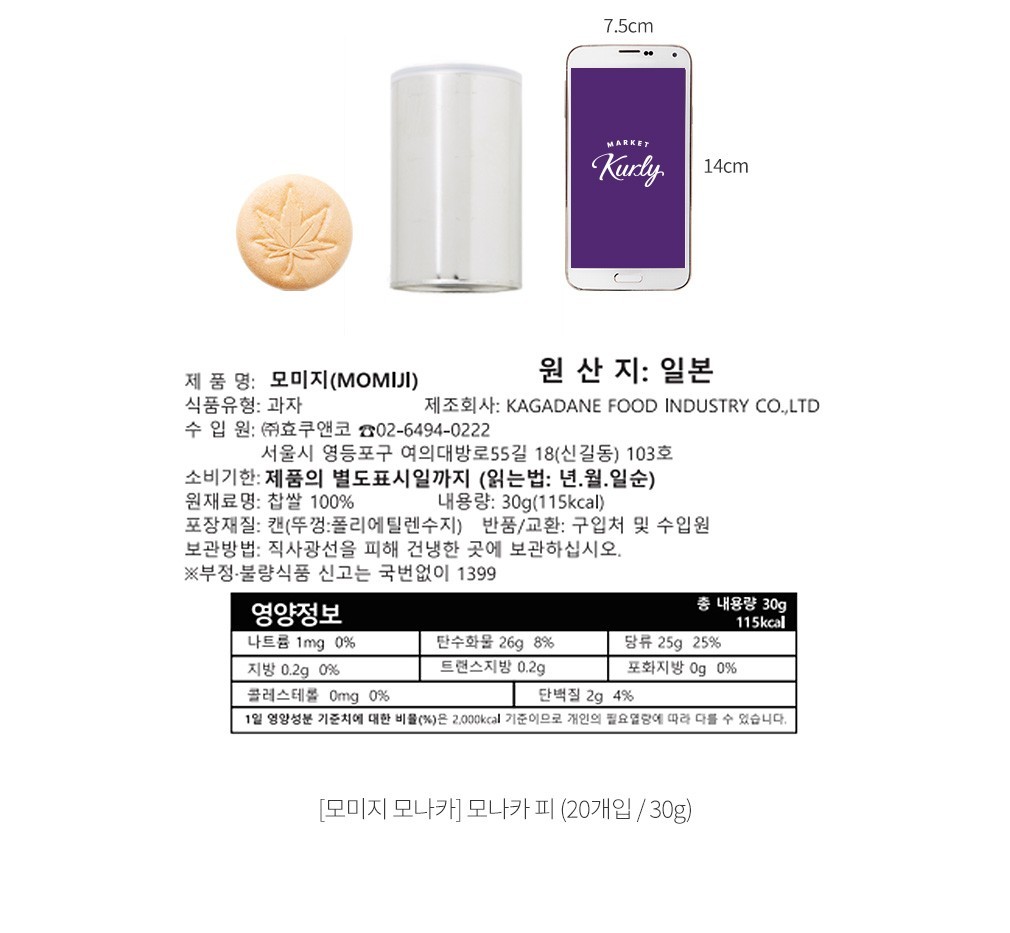
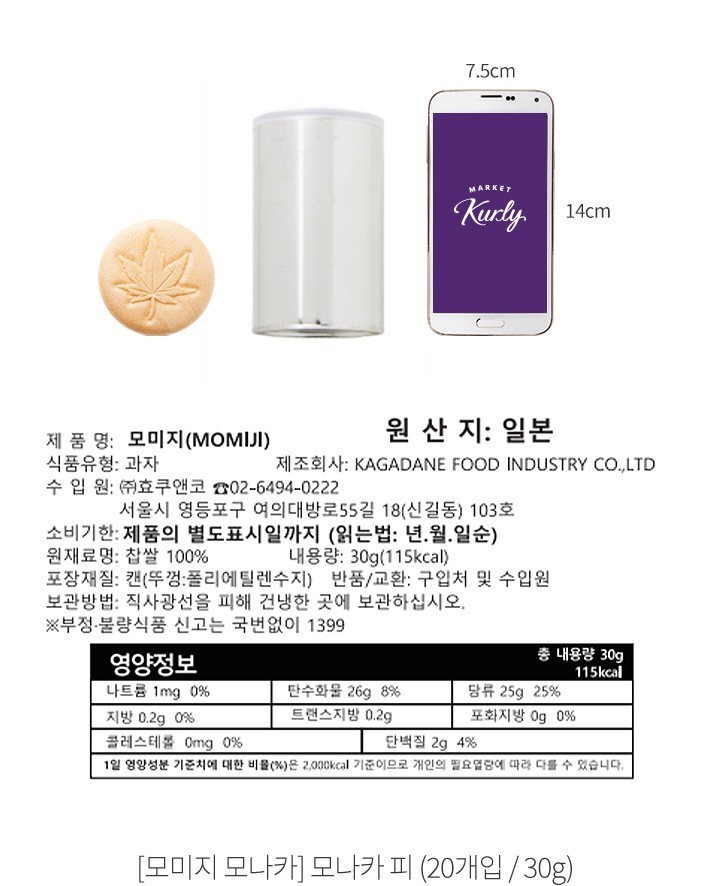
These are real reviews from Korean customers, written through July 2025.
California Proposition 65
⚠️WARNING: Consuming this product can expose you to chemicals including lead and cadmium which are known to the State of California to cause cancer and birth defects or other reproductive harm. For more information go to www.p65Warnings.ca.gov/food.
For more information, please visit www.P65Warnings.ca.gov/food.
![[모미지 모나카] 모나카 피 - Kurly USA](http://www.kurlyglobal.com/cdn/shop/files/1502095948214l0.jpg?v=1752676155&width=550)