


| Origin | See product description/details |
|---|---|
| Packaging Type | Room Temperature (Paper Packaging) For parcel delivery, eco-friendly packaging will be replaced with styrofoam. |
| Weight/Volume | Pack (3g*10 pieces)/Hana Katsuobushi 60g |
| Sales Unit | PK |
| Notice | The raw material used for this product is "Arabushi". |
Couldn't load pickup availability

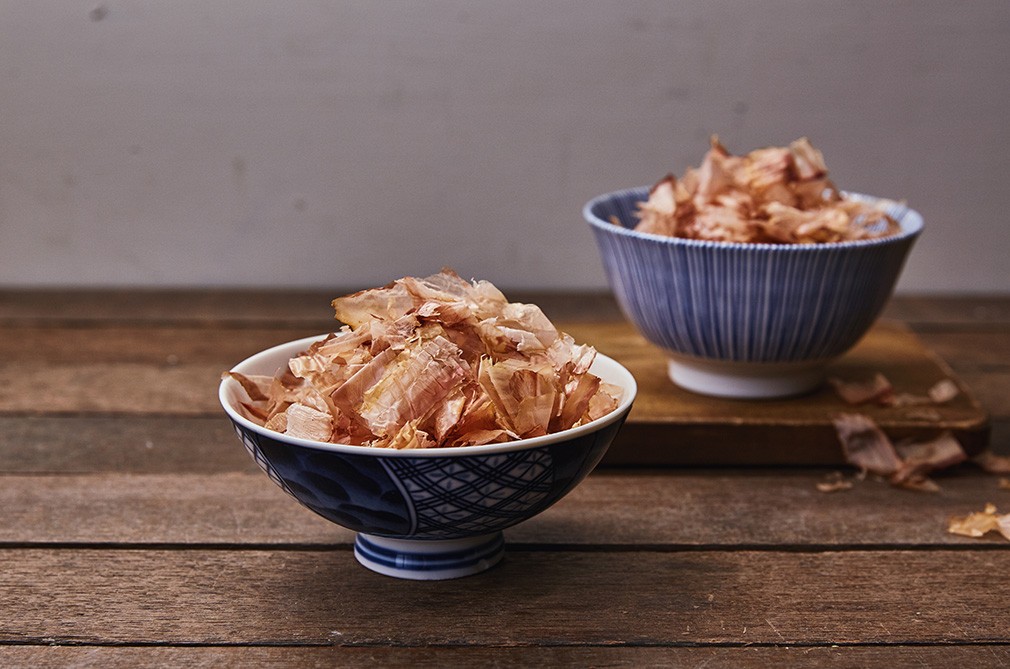
The leader of traditional Japanese katsuobushi [Marusaya]
Hanakatsuobushi, 2 types
When you sprinkle thin bonito flakes (katsuobushi) onto a warm dish, they dance gracefully, stimulating your appetite. Katsuobushi is commonly used as a garnish for dishes and is also widely used to make broth. Many expert chefs even use katsuobushi broth when making flavored soy sauce or chawanmushi. The katsuobushi Kurly recommends is 'Hanakatsuobushi' from Marusaya, a company that has been studying katsuobushi since 1962. Sliced to a thickness of 0.2mm, it resembles delicate flower petals. Even a simple dish will feel like an authentic Japanese meal when you add traditional katsuobushi.
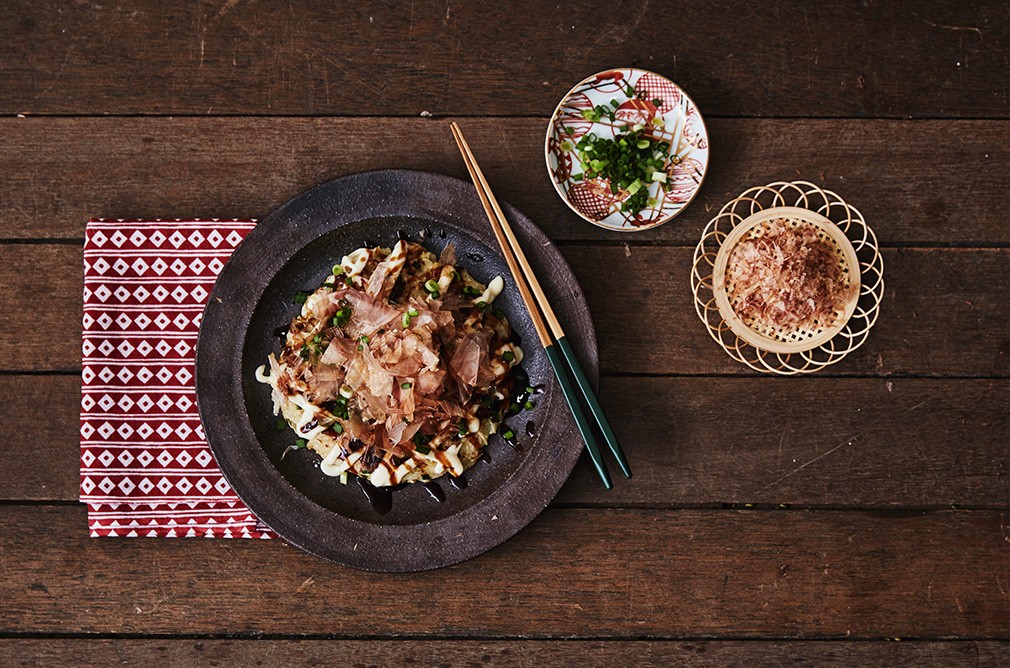
Hanakatsuobushi adds a special touch to Japanese dishes Hanakatsuobushi is extremely thin, almost as if shaved with a planer. It matches the image that comes to mind when one first thinks of katsuobushi. Hanakatsuobushi is excellent for both broth and topping. When making katsuobushi broth, it's good to use kombu seaweed together. Katsuobushi pairs especially well with various noodle dishes such as udon and yakisoba. Now, you can make fun dishes like okonomiyaki and takoyaki at home and sprinkle plenty of dancing katsuobushi on top.
Kurly’s Note
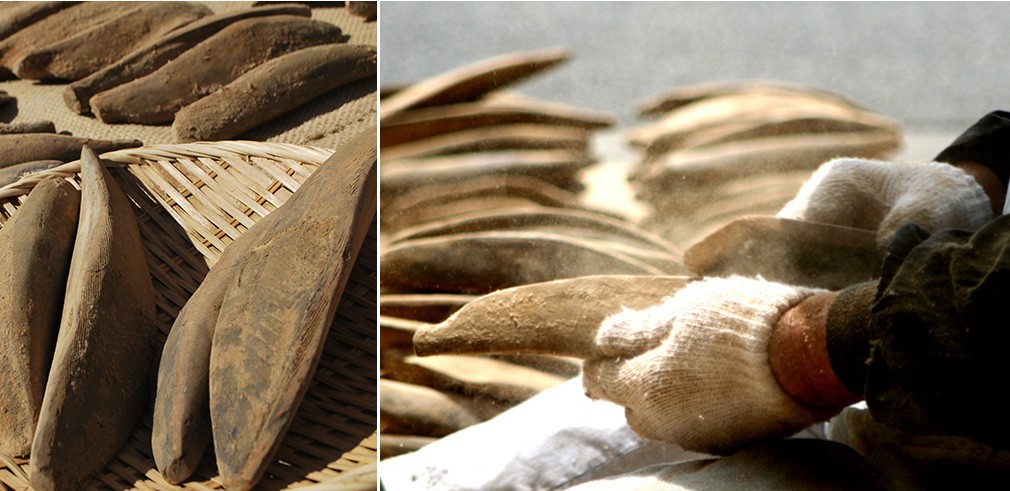
A remarkable ingredient forged by time Katsuobushi is a food made from skipjack tuna (katsuo), an oily fish, by removing its head, entrails, and bones, then smoking and drying it. Katsuobushi is categorized based on whether or not mold cultures have been introduced. Katsuobushi that is simply dried is called 'arabushi,' while katsuobushi that has been fermented with mold cultures is called 'karebushi.' Arabushi, with its strong smoky aroma, is widely used in udon and ramen in the Kansai region of Japan, while the milder karebushi is commonly used in soba and high-end Japanese dishes in the Kanto region.
The highest grade of karebushi is prefixed with 'hon' (本), meaning "true." 'Honkarehonbushininenmono' refers to the highest quality katsuobushi. While karebushi is typically aged for 3-6 months, the superior honkarehonbushininenmono is aged for over two years. Marusaya pioneered the commercialization of this 'honkarehonbushininenmono.'
About Brand

Established in 1962, Marusaya is renowned in Japan as a supplier of high-quality katsuobushi. Marusaya's katsuobushi is widely used in soba, udon, and ramen restaurants. In addition to katsuobushi, Marusaya also offers dashi packs and mentsuyu. Marusaya uses high-quality raw ingredients and selects only products that reflect genuine craftsmanship. The company will continue to endlessly research flavors and uphold Japan's unique artisan spirit.
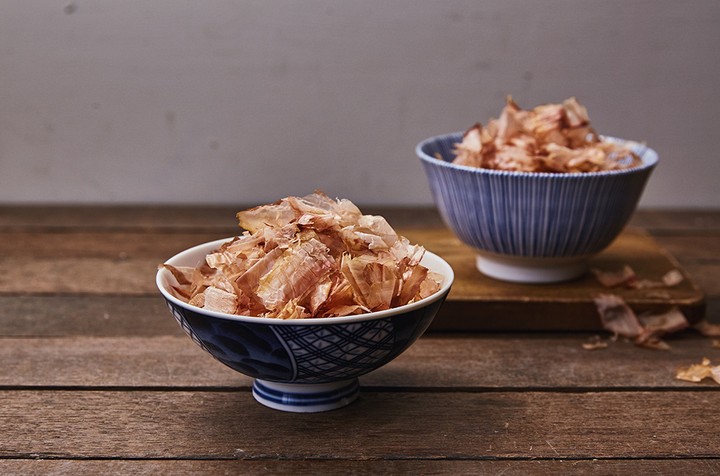
Leading brand of traditional Japanese katsuobushi [Marusaya]
Hanakatsuobushi 2 types
When thinly sliced katsuobushi is placed on a warm dish, it dances gracefully, whetting the appetite. Katsuobushi, primarily used as a garnish for dishes, is also widely used for making broth. Even expert cooks favor katsuobushi broth when making flavored soy sauce or steamed egg custards. The katsuobushi recommended by Kurly is Marusaya's "Hanakatsuobushi," a product of Marusaya, which has been exploring katsuobushi since 1962. Sliced to a thickness of 0.2mm, it resembles delicate flower petals. Even an ordinary dish will taste like it came from a Japanese restaurant if you add authentic katsuobushi.
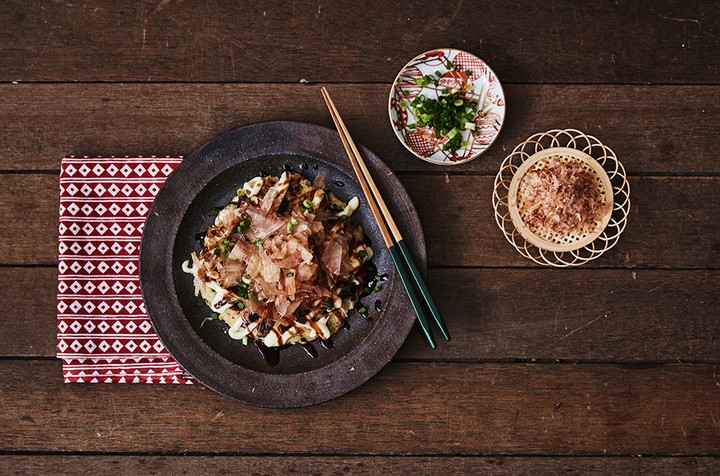
Hanakatsuobushi adds an edge to Japanese cuisine. Hanakatsuobushi is very thinly shaved, like wood shavings. It matches the image that first comes to mind when thinking of katsuobushi. Hanakatsuobushi is excellent whether used for broth or as a topping. When making broth with katsuobushi, it's good to use kelp together. Katsuobushi pairs especially well with various noodle dishes like udon and yakisoba. Now, you can make fun dishes like okonomiyaki and takoyaki at home and sprinkle plenty of dancing katsuobushi on top.
Kurly’s Note
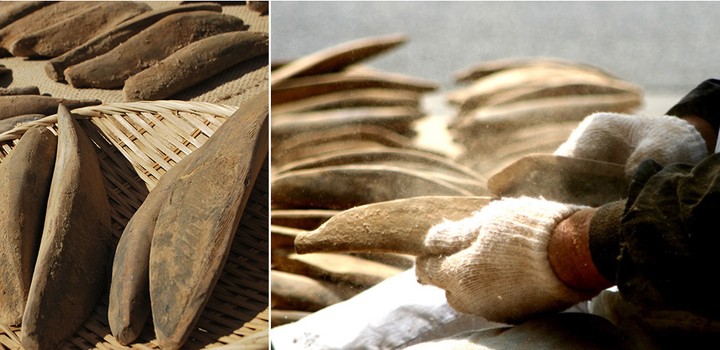
A surprising ingredient created by time Katsuobushi is a food made from skipjack tuna (katsuo), a blue-backed fish, by removing its head, entrails, and bones, then smoking and drying it. Katsuobushi is categorized by whether or not mold is introduced. Katsuobushi that is simply dried is called 'arabushi,' while katsuobushi that is fermented with mold is called 'karebushi.' Arabushi, with its strong smoked flavor, is widely used in udon and ramen in the Kansai region of Japan, while the milder karebushi is commonly used in soba and high-end Japanese cuisine in the Kanto region.
The highest grade karebushi is prefixed with 'hon (本)' meaning 'true.' 'Honkarehonbushininenmono' refers to the highest quality katsuobushi. While karebushi is usually aged for only 3-6 months, honkarehonbushininenmono, a higher grade, is aged for over 2 years. Marusaya was a pioneer in commercializing this 'Honkarehonbushininenmono.'
About Brand

Established in 1962, Marusaya is renowned in Japan as a supplier of high-quality katsuobushi. Marusaya's katsuobushi is widely used in soba, udon, and ramen restaurants. In addition to katsuobushi, Marusaya also offers dashi packs, tsuyu, and more. Marusaya uses high-quality raw ingredients and selects only products with genuine integrity. Moving forward, Marusaya will continue to research flavors and uphold the unique craftsmanship of Japan.


These are real reviews from Korean customers, written through July 2025.
California Proposition 65
⚠️WARNING: Consuming this product can expose you to chemicals including lead and cadmium which are known to the State of California to cause cancer and birth defects or other reproductive harm. For more information go to www.p65Warnings.ca.gov/food.
For more information, please visit www.P65Warnings.ca.gov/food.
